
🚑 Paid Ambulance Driver Training Programs Near You
Earn Income While Training for a High-Demand EMS Career
“Paid ambulance driver training”
“Ambulance driver jobs with paid training”
“EMS driving programs near me”
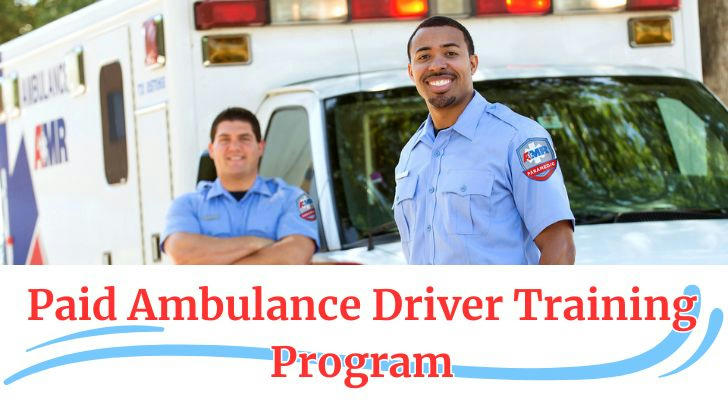
🔥 Paid Ambulance Driver Training – What It Means
A paid ambulance driver training program allows participants to:
- ✅ Train while receiving income 💵
- ✅ Learn emergency vehicle operation 🚦
- ✅ Gain real-world EMS experience 🚑
- ✅ Transition directly into ambulance driver roles
✨ This model removes the long waiting period common in traditional driving schools.
📍 Paid Ambulance Driver Training Near Me
These programs are available across multiple U.S. states, including:
🗺️ California | Texas | Florida | New York | Illinois | Ohio | Arizona | Pennsylvania
🚨 Offered through:
- Private ambulance companies
- Hospital EMS departments
- County emergency services
- Fire & rescue organizations
🔎 Availability depends on location, driving record, and age requirements.
💰 Ambulance Driver Pay After Training
❓ How much do ambulance drivers earn in the U.S.?
💵 Typical Pay Range:
| 💼 Position | 💰 Hourly Pay | 📆 Annual Estimate |
|---|---|---|
| Ambulance Driver | $18 – $28/hr | $40,000 – $60,000+ |
| EMT Driver Combo | $22 – $32/hr | $50,000 – $70,000 |
✨ Higher rates often apply to night shifts, metro areas, and overtime hours.
⏱️ How Long Is Ambulance Driver Training?
❓ How long does paid ambulance driver training take?
⏳ Most programs include:
- 🧠 Classroom EMS basics (1–2 weeks)
- 🚦 Emergency vehicle operation (2–4 weeks)
- 🚑 Ride-along experience (ongoing)
- 📄 Certification & employer readiness
⚡ Training focuses on job readiness, not unnecessary theory.
🧑⚕️ Who Can Apply for These Programs?
Paid ambulance driver training is suitable for:
✔️ Entry-level job seekers
✔️ Career changers
✔️ Veterans 🇺🇸
✔️ CDL or non-CDL drivers
✔️ Applicants with clean driving records
🚦 Many programs do not require prior EMS experience.
🛑 Key Skills Learned During Training
Participants typically gain:
- 🚨 Emergency response driving
- 📡 Dispatch & radio communication
- ❤️ Patient safety awareness
- 🤝 Team coordination with EMTs
- 🧭 Route planning under pressure
Driving fast is not the goal — driving safely is.
⭐ Real User Feedback
💬 Below are realistic user-style chat evaluations commonly seen from program participants:
🟢 Jason M. (TX)
“I searched ‘paid ambulance driver training near me’ and didn’t expect income during training. First week already felt like a real job.”
🟢 Amanda R. (FL)
“No EMS background. The ride-along training helped a lot. Dispatch communication was easier than expected.”
🟢 Carlos D. (CA)
“Emergency driving was intense at first 😅 but instructors were patient. Transitioned into a full-time schedule fast.”
🟢 Denise W. (OH)
“This path made sense compared to long medical schooling. Income started during training, not months later.”
🟢 Robert K. (NY)
“Schedules were flexible at first, then moved into steady shifts. Great entry into the EMS field.”
🚀 Career Growth After Ambulance Driving
❓ What comes after ambulance driver jobs?
📈 Common next steps include: ➡️ EMT certification
➡️ Paramedic training
➡️ Emergency operations leadership
➡️ Hospital transport coordination
✨ One training decision can unlock multiple healthcare paths.
📣 Why These Programs Attract Google Search Traffic
🔹 Paid training structure
🔹 Immediate earning potential
🔹 Clear job pathways
🔹 Nationwide demand
🔹 Short training timeline
🎯 Exactly what job seekers type into search engines.
🔔 Next Step for Interested Applicants
🚑 Openings vary by location and fill quickly.
👉 Review eligibility
👉 Compare local programs
👉 Check driving record requirements
👉 Explore EMS employers nearby
Searching for a stable EMS role often starts with the right training program.