
Paid Nail Technician Training for Beginners — Learn While You Earn 💅
Typical hourly pay: $22–25 | No prior experience required | Real salon-based learning
Many people have watched viral nail art videos and wondered the same thing:
“Is it really possible to learn nail technology and earn money at the same time?”
Traditionally, becoming a nail technician meant paying tuition first and looking for work later. However, within the beauty industry, paid nail technician training programs have become a practical entry path for beginners. Through this model, trainees gain hands-on experience in real salon settings while earning income and completing the required practice hours.
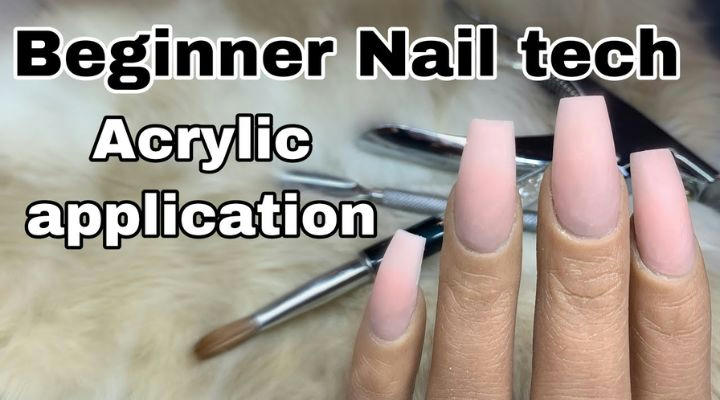
Why paid nail training can be a strong entry point for beginners
For most newcomers, the biggest barriers are not creativity or interest, but upfront costs and uncertainty. Paid training programs are designed to reduce these obstacles:
- Trainees usually receive hourly pay, commissions, or tips during training
- No previous beauty experience is required; instruction starts from the basics
- Learning takes place in real salons, not only in classrooms
- Practical work helps accumulate hours required for licensing
Compared with traditional training paths, this approach is closer to real employment conditions and allows beginners to assess the career fit early on.
How much can nail technicians realistically earn?
Based on industry data and salon hiring information, income for nail technicians typically includes base pay, service commissions, and tips:
- The average base hourly wage for nail technicians in the U.S. is around $22.90
- After certification, full-time technicians often earn approximately $27,000 annually in base income
- In busy salons, earnings can increase with experience, repeat clients, and tipping
While income during training may vary by location and salon, learning without any earnings is not the only option available.
What is typically taught during paid nail technician training?
Paid programs emphasize learning through real work. Training content commonly includes:
- Nail anatomy, hygiene standards, and safety procedures
- Basic and advanced manicure and pedicure techniques
- Use of acrylics, gels, dip powder, and curing systems
- Trend-focused nail art such as chrome, 3D designs, and airbrushing
- Client communication and professional service workflows
Many programs also introduce pricing basics, client retention, and social media presentation to support long-term career development.
Real examples of beginner career transitions
Many trainees enter these programs with no background in the beauty industry.
Some previously worked in retail or service roles and completed their required practice hours within weeks, starting to serve clients and receive tips shortly after.
Others began building a client base even before completing certification.
These cases do not promise instant success, but they demonstrate that this is a realistic and repeatable career pathway.
How to prepare for the nail technician licensing exam
Licensing remains an important step for long-term growth. To improve the chances of passing on the first attempt:
- Use online practice exams to review theory topics
- Practice procedures according to official hygiene and safety standards
- Become familiar with the exam format in advance
- Prepare a complete and compliant exam kit
Aligning daily practice with licensing requirements often leads to better results than last-minute exam preparation.
Summary: Learning while earning as a practical career path
For beginners interested in the nail industry, paid nail technician training is not a shortcut, but a practical and industry-aligned way to get started.
Earning income while building skills helps reduce risk, gain real experience, and make informed career decisions.
For those considering turning an interest in nail art into a professional skill, understanding this training model is an important first step.